November 18, 2026
Installing a fresh, durable pavement surface requires far more than simply laying hot mix on the ground. Timing plays a paramount role in the ultimate structural integrity, visual appearance, and overall lifespan of your investment. Whether you oversee an expansive commercial parking facility or want to enhance your residential driveway, understanding the interplay between weather conditions, curing processes, and contractor availability is essential for project success. Hot-mix asphalt is a temperature-sensitive material that demands precise thermal management from the production facility to the jobsite. Attempting an installation during unfavorable atmospheric conditions can lead to premature raveling, inadequate density, cracking, and base failure. By aligning your property improvements with optimal meteorological windows, you ensure the compound binds effectively, compacts uniformly, and stands resilient against heavy traffic and seasonal freeze-thaw cycles. Exploring ideal operational seasons, atmospheric constraints, and preparation steps will guide your upcoming asphalt paving initiative toward long-term durability.
Analyzing Ambient and Ground Temperatures
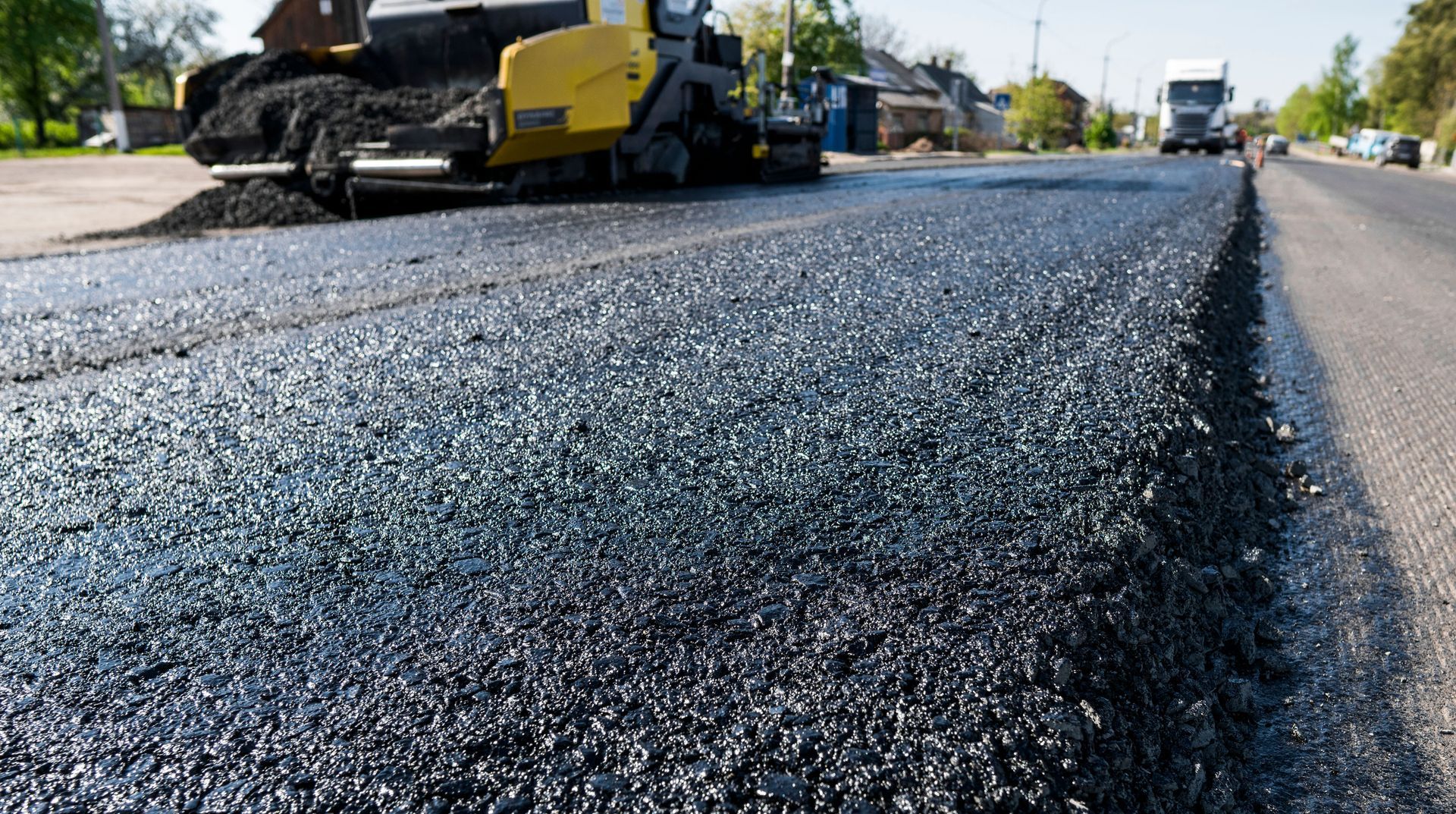
Thermal consistency represents the single most crucial factor when executing any successful asphalt paving undertaking. Hot-mix material typically leaves the batching facility at temperatures between 275 and 325 degrees Fahrenheit. To achieve appropriate density and aggregate interlock, field technicians must thoroughly roll and compact the pavement before its internal temperature drops beneath 175 degrees Fahrenheit. Once the binder cools past this point, further compaction becomes impossible, leaving behind microscopic voids that invite moisture infiltration. Consequently, contractors evaluate both ambient air temperature and subterranean ground warmth prior to commencing work.
Industry standards dictate that ambient temperatures should register at least 50 degrees Fahrenheit and steadily climb throughout the day for standard surface layers. Thin lift applications, which dissipate heat far more rapidly than thicker structural courses, frequently demand ambient warmth of 60 degrees Fahrenheit or higher. Ground temperatures are equally influential because cold ground acts as a thermal sponge, abruptly chilling the freshly placed mix from underneath. Modern installation technology continues to advance to help crews manage heat retention; according to Mordor Intelligence, tracked pavers accounted for 56.36% of the asphalt paver market share in 2025, while screed systems are progressing at a 6.88% compound annual growth rate through 2031. High-performance screeds maintain uniform material temperatures across the mat, yet even advanced machinery cannot overcome an uncooperative, freezing subbase.
Managing Moisture and Seasonal Weather Shifts
Moisture remains the natural enemy of asphalt paving, both during initial placement and throughout the lifetime of the installation. Rain, standing puddles, heavy morning dew, or sustained humidity levels disrupt the chemical bond between the petroleum binder and the underlying aggregate foundation. When paving crews spread hot aggregate over damp subgrades, water traps beneath the mat, transforming into steam that boils upward through the uncured mixture. This dynamic produces blistering, honeycombing, and early delamination between pavement layers.
Beyond immediate precipitation, property grading and subsurface drainage play foundational roles in enduring pavement performance. Professional drainage solutions ensure that runoff flows away from the subbase rather than pooling alongside or beneath the paved surface. Persistent saturated subgrades soften under vehicular weight, leading to rutting and depressions. High ambient humidity also extends the window required for liquid tack coats to break and cure before hot aggregate placement. Monitoring extended atmospheric forecasts helps project managers sidestep sudden downpours, ensuring that every layer is installed over a bone-dry, stable subbase.
Understanding How Asphalt Cures Over Time
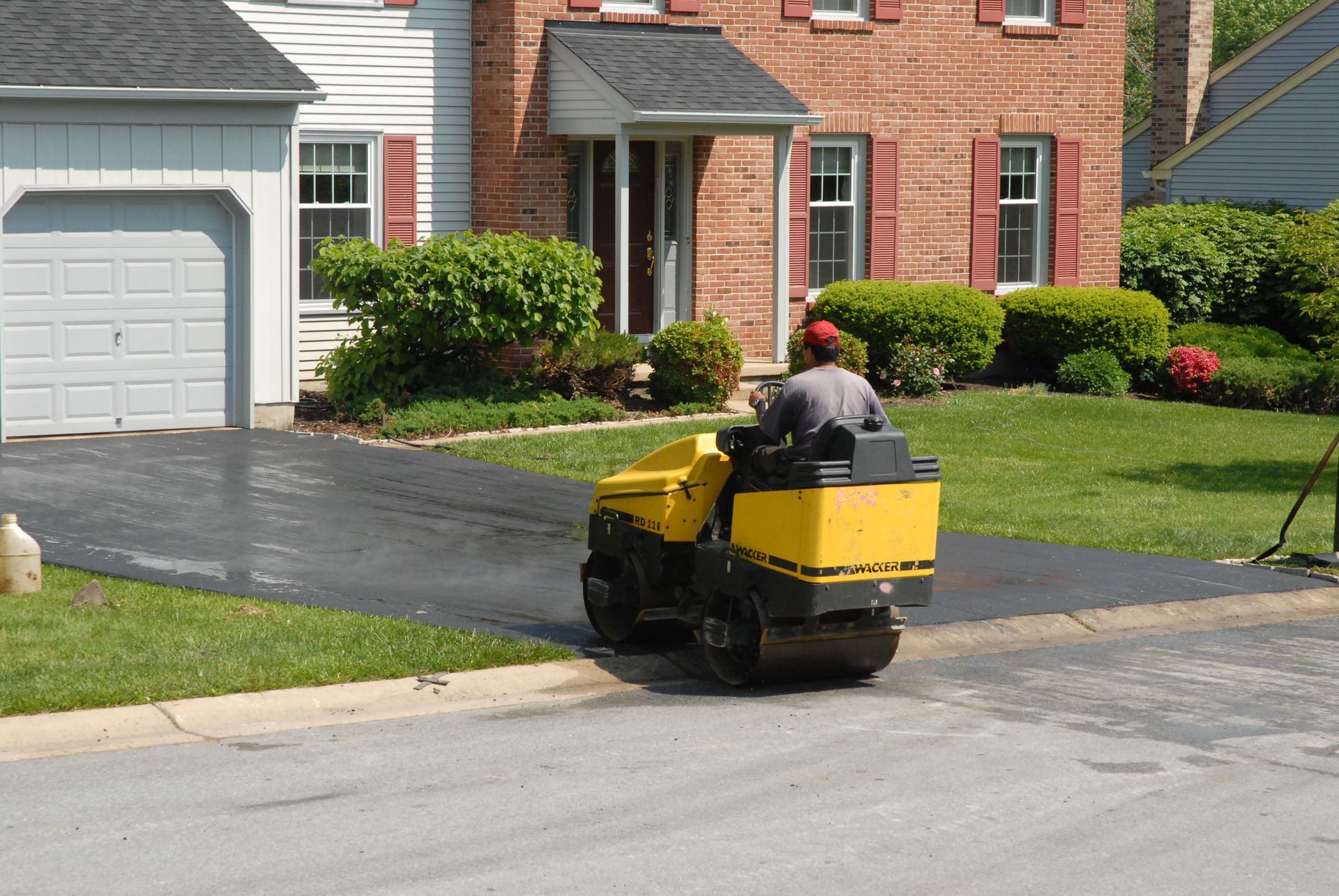
Distinguishing between initial cooling and full curing is vital for setting realistic expectations for pavement usability during your asphalt paving project. When hot asphalt cools to surrounding ambient temperatures, usually within 24 to 48 hours, it hardens sufficiently to bear standard passenger vehicle traffic. However, this initial hardening does not mean the chemical curing cycle is complete. True curing requires months, during which lighter volatile petroleum oils gradually evaporate and oxidize, leaving behind a rigid, tightly bound structural matrix.
During this extended maturation stage, the surface remains relatively pliable, making it vulnerable to scuffing, gouging, and power-steering abrasions during hot afternoons. Ambient weather conditions directly govern the speed of oxidation. Warm, sunny, arid environments accelerate curing, whereas cold temperatures, shade, and excessive moisture retard chemical stabilization. Property managers must implement protective practices, such as preventing heavy delivery vehicles from parking in static positions on newly laid mats, while waiting for the aggregate matrix to reach maximum hardness.
Evaluating the Four Seasons for Installation
Spring introduces the annual reopening of hot-mix production facilities across many regions, offering favorable conditions as seasonal warmth returns. However, early spring presents distinct risks, including erratic rainfall and latent subterranean frost. When the ground thaws, subsoils frequently become spongy and saturated, jeopardizing structural bearing capacity. By late spring, soil conditions stabilize, making it a reliable period for commercial asphalt paving installations.
Summer stands as the peak window for durable asphalt paving due to consistent heat and lengthy daylight hours. Sustained warmth slows the cooling process of the hot mix, providing compacting crews ample time to attain proper mat density and tight, seamless joints. The only downside is scheduling competition, as contractor calendars fill quickly. Early to mid-autumn serves as another prime window, characterized by crisp, dry days and minimal rainfall. The project cut-off occurs when autumn nights routinely dip below freezing, which rapidly chills subgrades and prevents acceptable compaction. Winter remains poorly suited for full installations in temperate climates, restricting contractors primarily to emergency patching until warmer weather returns.
Coordinating Project Logistics and Timelines
Executing a major infrastructure improvement demands proactive scheduling that balances seasonal conditions against contractor availability and site preparation requirements. High-grade results hinge upon meticulous ground preparation before the paver arrives. Services such as excavation and foundational grading establish the essential structural support for the entire surface. If subbase soils exhibit instability, specialized soil stabilization or full aggregate replacement becomes mandatory.
For existing properties showing significant surface wear, milling removes deteriorated surface layers without altering curb elevations or disrupting existing storm runoff paths. Commercial property managers must also balance operational disruptions, customer traffic flow, and tenant access during staging. Coordinating with your paving contractor several months in advance allows ample lead time to finalize permits, organize material hauling, and secure an optimal installation date within the most favorable climatic period.
Preserving Pavement Integrity Through Maintenance
A newly installed surface demands ongoing protection to safeguard its longevity and preserve curb appeal. Once the binder completely oxidizes and cures, applying professional sealcoating shields the asphalt against ultraviolet oxidation, motor fluids, and moisture intrusion. Most contractors recommend waiting between six and twelve months after initial construction before applying the first protective sealer coat, allowing volatile compounds adequate opportunity to dissipate completely.
Establishing a proactive maintenance regimen guarantees that minor flaws do not degenerate into severe structural failures. Timely asphalt repair for small surface cracks prevents water from penetrating into the base course during winter freeze-thaw episodes. Periodic inspections of catch basins, curbs, and runoff routes verify that drainage pathways remain clear of debris. By combining high-caliber initial construction with routine preventative maintenance, property owners maximize their return on capital while keeping driving surfaces smooth and secure.
Timing your pavement project to coincide with dry conditions and warm ambient temperatures is the definitive key to securing a beautiful, durable surface. Proper heat retention enables comprehensive compaction, while adequate curing ensures structural resilience against decades of environmental exposure and vehicular wear. Whether you require meticulous residential asphalt paving, large-scale commercial installation, or routine maintenance, partnering with seasoned professionals guarantees your project is scheduled and executed flawlessly. Prepare your property for long-term performance and schedule your upcoming project consultation with Chesapeake Paving.