September 17, 2026
A new driveway can improve the appearance, usability, and overall function of a property, but the work itself can temporarily change how homeowners enter, leave, park, and move around their property. Careful planning can make the process easier to manage and reduce unnecessary inconvenience. Before driveway paving begins, homeowners can coordinate schedules, prepare alternate parking, understand the project timeline, and make arrangements for deliveries, visitors, pets, and other daily activities. Thinking through these details in advance can help the project move forward with fewer interruptions. By working closely with the paving contractor and preparing the property ahead of time, homeowners can maintain much of their normal routine while allowing crews the access and space they need to complete the work efficiently.
Scheduling the Project Around Your Routine
One of the first steps in planning a paving project is choosing a time that creates the fewest conflicts with your household schedule. Consider work hours, school transportation, appointments, vacations, family gatherings, and other events that could make temporary driveway restrictions more difficult. If possible, select a period when fewer vehicles need to enter and leave the property throughout the day. Discuss the expected start date and general timeline with the contractor so you can make arrangements before equipment and materials arrive.
Weather can also affect scheduling because paving work may require suitable temperatures and dry conditions. Ask the contractor how weather delays are handled and whether the schedule may shift if conditions are unfavorable. Knowing that the timeline could change helps you avoid planning important activities too close to the expected completion date. When coordinating driveway paving, giving yourself some flexibility can reduce stress if the project takes slightly longer than originally anticipated. A clear schedule also makes it easier to inform family members, neighbors, or anyone else who regularly visits the property.
Arranging Alternative Parking in Advance
Homeowners may not be able to use the driveway during certain stages of the project, so alternate parking should be arranged before work begins. Depending on the property and local rules, vehicles may need to be parked along the street, in a nearby public parking area, or at another approved location. Move all vehicles out of garages and parking areas that could become inaccessible once work starts. This is especially important if the garage can only be reached by crossing the section of the driveway being paved.
Think about how many vehicles the household uses daily and whether anyone needs special parking accommodations. Employees working from home, teenagers driving to school, or family members with mobility concerns may require different arrangements. If street parking is limited, it may be useful to discuss temporary options with nearby family members or neighbors. Planning parking before driveway paving begins prevents vehicles from becoming trapped behind equipment or unfinished surfaces. It also gives the crew uninterrupted access to the work area, which can help the project proceed without avoidable delays.
Preparing the Property Before Work Begins
Clearing the area before the paving crew arrives can help create a safer and more efficient work environment. Remove vehicles, trash cans, bicycles, toys, sports equipment, portable basketball hoops, planters, lawn decorations, and other movable objects near the driveway. Homeowners may also want to trim branches or vegetation that extend over the work area. Providing adequate clearance gives workers space for machinery, trucks, and materials while helping protect personal belongings from dust or accidental damage.
It is also helpful to identify features near the driveway that contractors should know about. Sprinkler heads, landscape lighting, drainage components, gates, utility access points, or other nearby structures may affect how crews approach the project. Discuss these details before work begins rather than waiting until machinery is already on the property. According to Paving Marketers, the overall paving industry reached $1.906 billion in 2025, while paving-only revenue declined from $913 million in 2023 to $698 million in 2025. Regardless of industry trends, careful preparation remains an important part of making driveway paving easier to manage at home.
Understanding Access Restrictions After Paving
The driveway may look finished before it is ready for normal vehicle traffic. Homeowners should ask the contractor when walking, parking, and driving on the new surface will be permitted. The required waiting period can vary depending on the paving material, weather conditions, and details of the project. Following the contractor's instructions is important because using the surface too soon may affect the finished work. Make sure everyone in the household understands the restrictions so no one unintentionally drives onto the surface before it is ready.
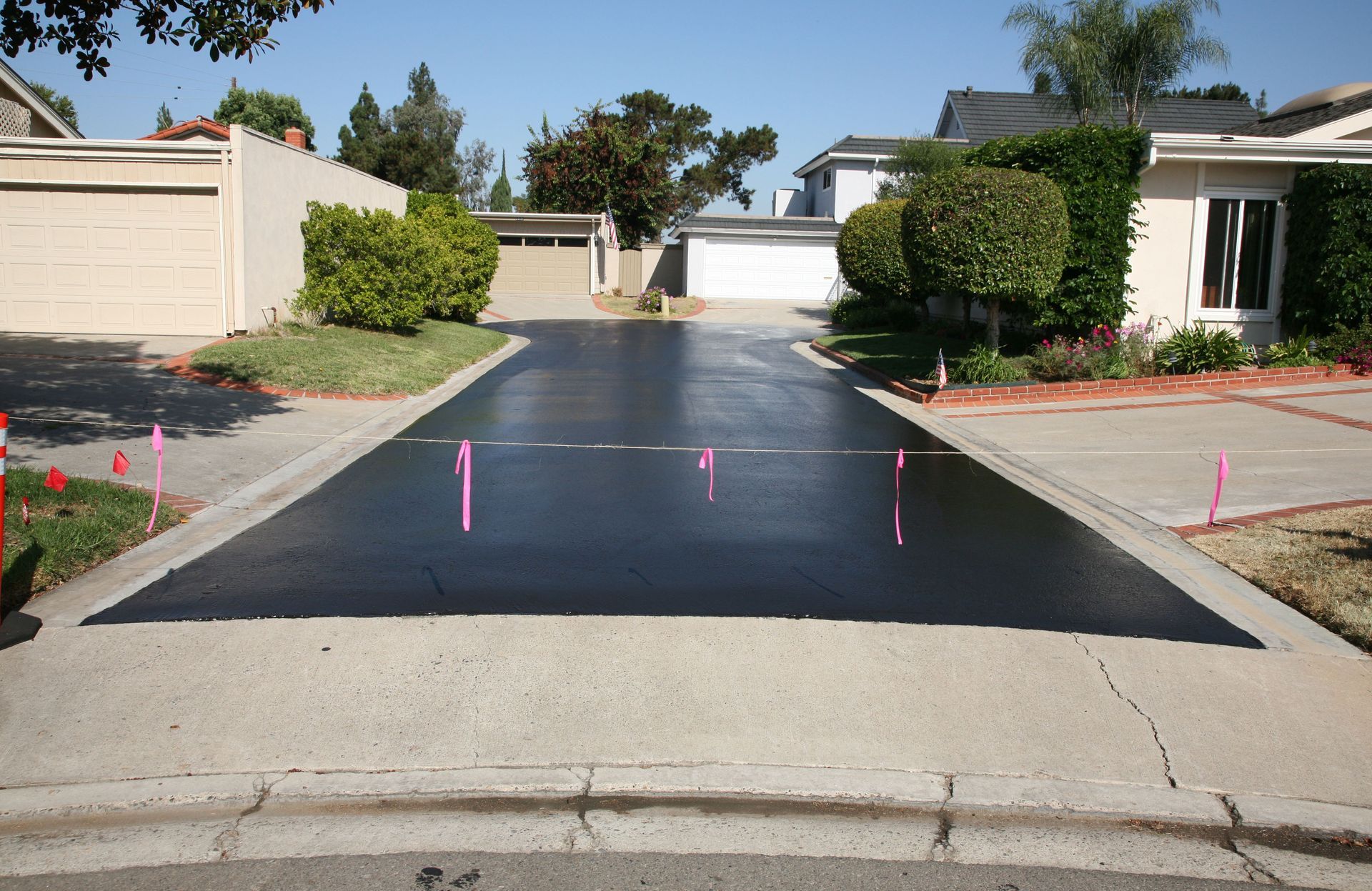
Temporary barriers, cones, or other markers can help remind family members and visitors that access is restricted. If driveway paving blocks the primary entrance to the home, identify another safe route for pedestrians ahead of time. Homeowners should also consider garbage collection, mail delivery, and any other services that normally require access near the driveway. Asking about post-project restrictions before work starts allows you to plan around the curing or settling period rather than discovering those limitations after the crew has completed the installation.
Communicating Clearly With the Paving Contractor
Good communication can prevent many of the inconveniences associated with a home improvement project. Before work begins, ask who your primary contact will be and how updates will be provided. Discuss the expected working hours, equipment placement, property access, cleanup procedures, and any circumstances that could extend the timeline. Knowing what will happen at each stage gives homeowners an opportunity to adjust their routines and raise concerns before they become problems.
Homeowners should also ask questions whenever project details are unclear. If you need access to a particular part of the property at a certain time, mention it before crews begin working. Likewise, tell the contractor about scheduled deliveries, household members with accessibility needs, or other conditions that could affect the project. Clear communication during driveway paving allows both sides to coordinate more effectively. Rather than trying to solve logistical problems at the last minute, homeowners and contractors can develop practical arrangements that keep the work moving while minimizing disruption.
Planning for the Final Cleanup and Transition
Once the paving work is complete, the property may need a short transition period before normal routines fully resume. Ask what cleanup is included and whether any materials, barriers, or equipment will remain temporarily. Homeowners can also inspect surrounding areas for items that were moved before the project and determine when it is appropriate to return planters, decorations, trash containers, or other belongings to their usual locations. Waiting until the work area is fully accessible can prevent items from interfering with the new surface.
This is also a good time to review any maintenance instructions provided by the contractor. Understanding how to care for the completed surface can help homeowners avoid unnecessary damage and know when regular use can resume. If questions arise after driveway paving is finished, having the contractor's contact information readily available makes follow-up easier. Taking a little extra time to complete the transition carefully can help the household return to its normal routine without rushing the final stages of the project.
Planning ahead can make a paving project much easier to accommodate without creating unnecessary disruption. Scheduling the work around household activities, arranging alternate parking, clearing the property, coordinating deliveries, understanding access restrictions, maintaining communication, and preparing for the transition afterward can all help keep daily life organized. Homeowners who understand what to expect are better able to adjust their routines while giving the paving crew the space needed to complete the job. A well-planned driveway paving project can improve the property while keeping temporary inconveniences manageable. If you are preparing to update your driveway and want professional assistance planning the project, contact Chesapeake Paving.